Autonomous Cable Theft Detection Device
1. The Challenge: Securing Power Grids
Cable theft, particularly copper, represents a major operational and financial problem for infrastructure companies like SNCF or Enedis.
As part of the CROC program, in partnership with STMicroelectronics, the goal was to design a surveillance device capable of meeting extreme constraints: it had to be fully energy-autonomous, capable of reliably detecting cable cuts or falls, and transmitting a wireless alert to a remote receiver, all while withstanding harsh weather conditions.
2. Electronics Architecture & Detection
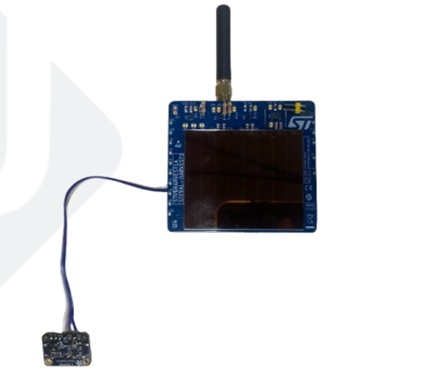
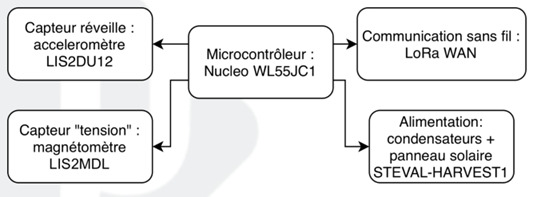
The core of the system is based on a STM32 Nucleo WL55JC1 microcontroller, which natively integrates LoRaWAN long-range communication. The device's intelligence relies on a finite state machine coupled with two key sensors:
- Wake-up (LIS2DU12 Accelerometer): This ultra-low-power sensor detects shocks or cable falls. It generates a hardware interrupt (on pin EXTI6) that wakes the microcontroller from deep sleep.
- Evaluation (LIS2MDL Magnetometer): Once awake, the system measures the magnetic field on 3 axes (10 measurements over 100ms) to verify if current is still flowing through the cable (indirect measurement).
If the magnetic field change confirms the cut, a LoRa message encoding the alarm cause and battery status is transmitted.
3. Mechanical Design & Sealing
Designing an enclosure for outdoor IoT poses contradictory challenges: it must be robust, yet allow radio waves and light to pass through.
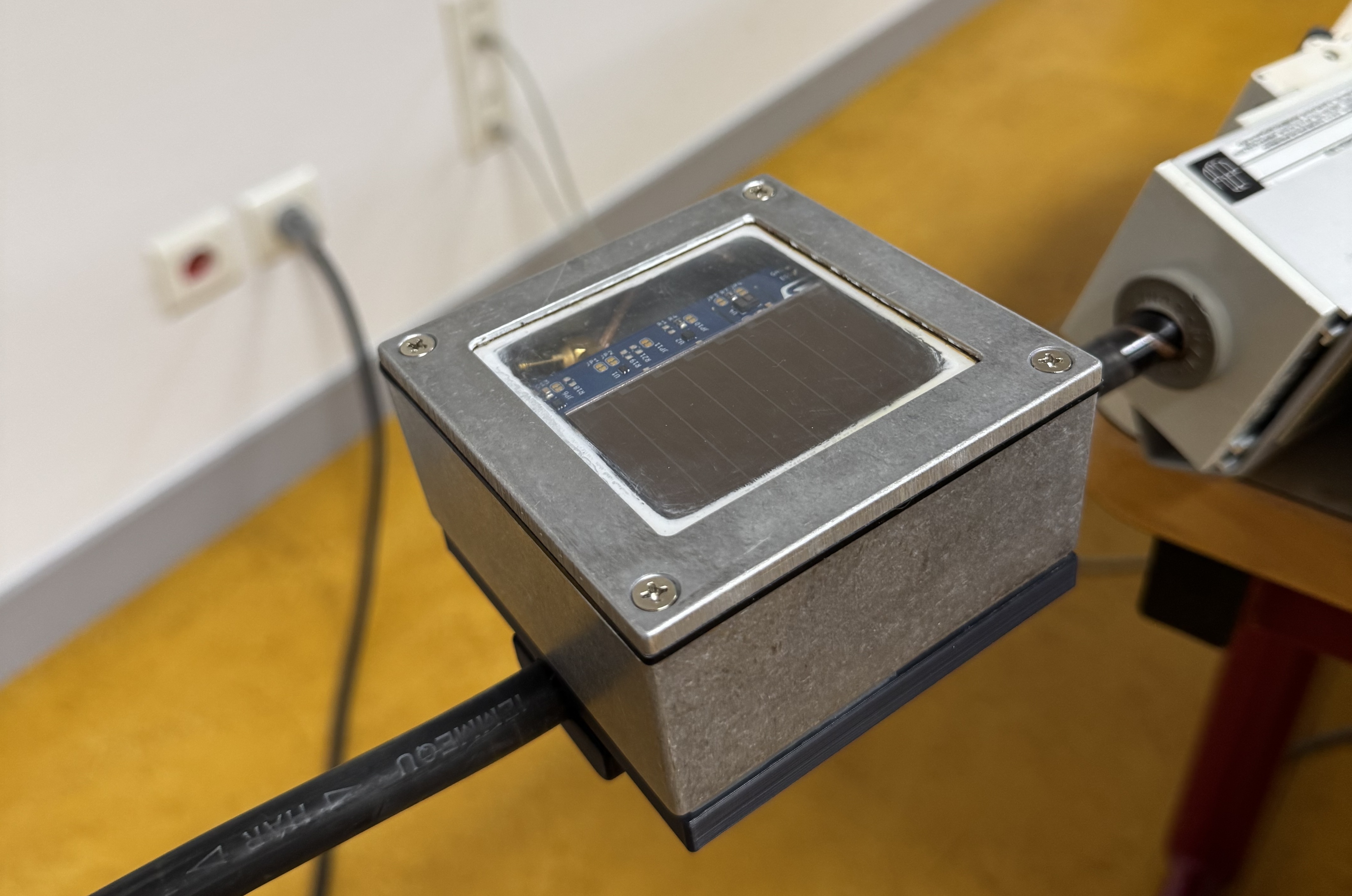
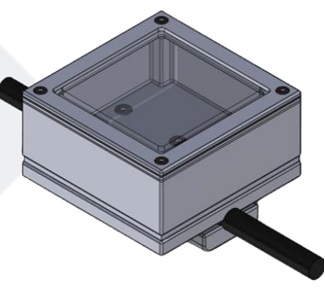
- Faraday Cage: A 100% metal enclosure would protect the electronics but block LoRaWAN transmission. We opted for a machined metal body coupled with a plexiglass top plate.
- Solar Energy: This transparent plate allows powering the internal solar panel while protecting components from destructive UV rays.
- Fixing & Sealing: The cable interface is secured by 3D-printed ASA jaws (a UV and weather-resistant polymer). Global sealing is guaranteed by O-rings, and silica gel is integrated to manage internal condensation.
4. Energy Management (Energy Harvesting)
Total autonomy was the main constraint. We used the STEVAL-HARVEST1 energy harvesting board (solar panel coupled with supercapacitors).
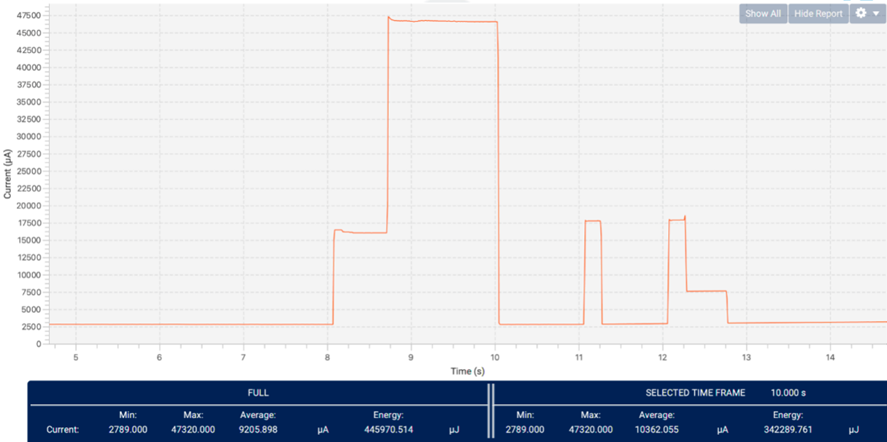
The firmware (based on the ST LoRaWAN END NODE package) automatically manages power by putting non-critical components to sleep. I used the STLink-V3PWR tool to precisely profile the microcontroller's power consumption during sleep, measurement, and radio transmission phases, in order to optimize the code and ensure the device's durability in the field.
5. Results & Perspectives
The final prototype successfully passed validation tests: the enclosure is waterproof, shock-resistant, detects cable falls and current cuts via indirect magnetometry, and transmits alerts autonomously via the LoRaWAN network.
Industrial Perspectives: While functional, optimizing standby consumption (currently 2.8 mA) remains an improvement goal, aiming for a few hundred microamps. Moving from an evaluation board (Nucleo) to a custom production PCB will drastically reduce the final footprint.